Claim your free high-end website design and development today! This limited-time offer expires in:
Free Websites Offers Expires in
Advanced 2026 On-Page SEO & Content Optimization Strategy





Why are AI search engines highlighting your competitors instead of you?
If you’ve been wondering about recent changes in SEO, you’re not alone.
The on-page SEO scene in 2026 will be totally different from what it was just two years ago. Traditional SEO practices considering keyword stuffing and content optimization are becoming obsolete now.
Why? Because content today doesn’t just compete with other content for ranking; but it competes for inclusion in AI answers, featured snippets, recommendation engines and conversational searches.
Ranking #1 on Google is no longer the end line. Being the answer is!
In this advanced on-page optimization guide, we’ll break down the strategies, frameworks, and optimization techniques that modern businesses use for SEO and to increase visibility across search engines, AI platforms, answer engines, and user journeys.
Let’s dive in.
The New Reality of Search in 2026
Search has evolved from, keyword search, intent search, context search, and predictive search. Users don’t search the old-way, such as, “Best CRM software.”
Not anymore!
Instead, they search like, “What’s the best CRM for a 10-person SaaS company with a limited budget?”
Or they ask:
“What CRM should I use?”
Search engines and AI systems now focus on understanding the user’s:
- Context
- Intent
- Authority
- Experience signals
- Relevance
- Trustworthiness
This means on-page SEO is now more about optimizing experiences.
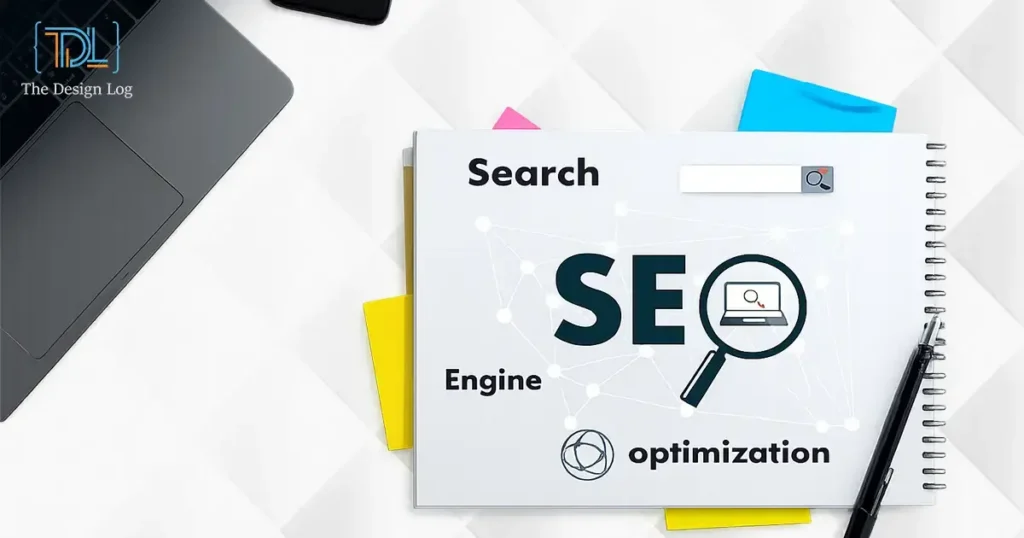
The evolution of search behavior is moving faster than many companies have anticipated. AI searches, zero-click results, and answer engines are influencing user search behavior.
Key SEO, AEO & GEO Stats for 2026 That You Shouldn’t Miss
| Trend | Statistic | Source | Year |
| AI Search Adoption | 80% of consumers use AI-generated summaries for at least 40% of searches | Bain & Company / Dynata | 2024 |
| Zero-Click Searches | 58.5% of U.S. Google searches end without a click to a website | SparkToro & Datos | 2024 |
| AI Overviews Expansion | Google AI Overviews grew from appearing on 10% of keywords to 30% in just six months | seoClarity | 2025 |
| AI Referral Growth | AI-driven website traffic increased by 527% year-over-year | Previsible | 2025 |
| AI Visibility Advantage | Websites cited in AI Overviews receive 35% higher organic CTR than non-cited competitors | Seer Interactive | 2025 |
| Mobile Search Behavior | Mobile zero-click searches reached 77% | SparkToro & Datos | 2024 |
These statistics show that the battle is no longer for ranking but for visibility in AI-driven answers, AI Overviews, voice search, and conversational search.
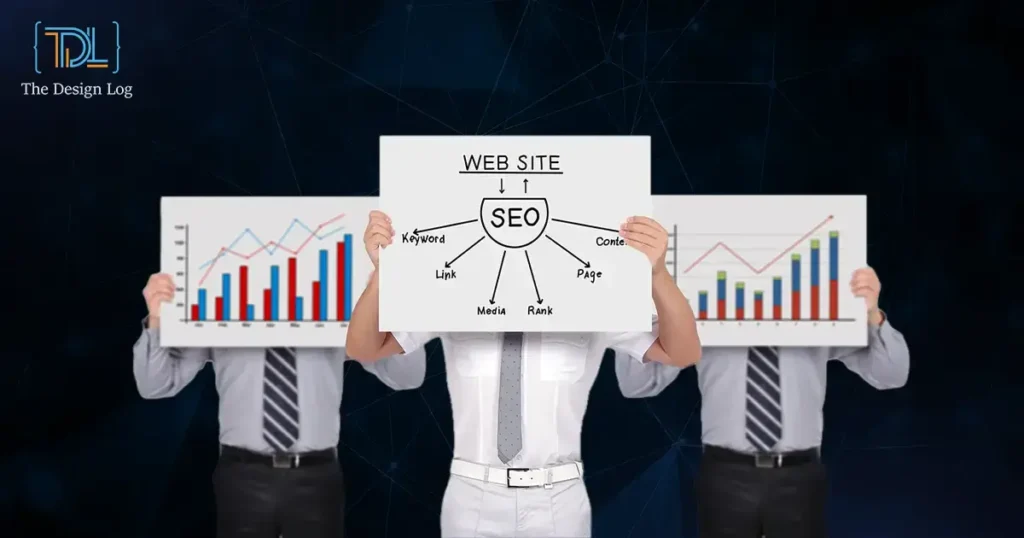
Advanced On-Page SEO in 2026
It is the method of optimizing content, structure, experience, and semantics to make sure that search engines and artificial intelligence can easily comprehend and trust your content.
Modern optimization combines:
Traditional SEO was focused on metadata, keywords, internal links and content hierarchy.
But GEO and AEO have already changed the game, how?
GEO (Generative Engine Optimization)
- Context-rich content
- AI discoverability
- Citation-worthy information
- Entity optimization
AEO (Answer Engine Optimization)
- Featured snippets
- Direct answers
- Voice search readiness
- AI answer visibility
And now we have UX optimization in the cue that can’t be ignored and it includes:
- Readability
- Navigation
- User engagement
- Conversion flow
Think of it this way:
In 2018, SEO was about ranking. In 2026, SEO is about becoming the most trustworthy answer available.
UX Optimization
And now we have UX optimization in the cue that can’t be ignored and it includes:
- Readability
- Navigation
- User engagement
- Conversion flow
Think of it this way:
In 2018, SEO was about ranking. In 2026, SEO is about becoming the most trustworthy answer available.
The Rise of Search Intent Clustering
One keyword no longer equals one page. Google, AI search systems, and large language models understand relationships between topics.
Instead of targeting:
- SEO tools
- Best SEO tools
- SEO software
Separately…
You can go for comprehensive topic cluster covering:
- SEO tools overview
- Tool comparisons
- Pricing
- Use cases
- Alternatives
- Industry-specific recommendations
This creates semantic depth. And this semantic depth creates authority.
The E-E-A-T Has Become Non-Negotiable
Google’s E-E-A-T framework continues to influence visibility.
Experience
Have you actually done it?
Expertise
Do you know what you’re talking about?
Authoritativeness
Do others understand your expertise?
Trustworthiness
Can users trust your content?
Modern content should include:
- Case studies
- Original insights
- Statistics
- Industry examples
- Real-world experiences
- Expert commentary
The more authentic your content is, the better it performs. AI systems now prefer real experiences when it comes to on-page SEO over boring, generic stuff, so being genuine really matters.
Content Depth Beats Content Length
A common myth that you often hear is, “Longer content ranks better.” It used to, but not anymore.
What matters now is information gain.
Can your content provide something users haven’t seen or didn’t expect elsewhere, like something meaningful?
Google increasingly rewards:
- Fresh data
- Unique perspectives
- Original research
- Practical frameworks
- Contrarian viewpoints
Ask yourself:
“If someone reads my blog, will they learn something new?”
If the answer is NO, your content may struggle despite incredible optimization.
Entity-Based SEO Is Taking Over
Keywords tell search engines what actually your page is about. And entities tell search engines what a page means.
For instance:
Instead of repeatedly mentioning, “SEO,” your content should naturally relate to entities like:
- Indexing
- Crawling
- Search intent
- SERPs
- Core Web Vitals
- Structured data
- User experience
This creates a stronger topical footprint, helping search engines understand your expertise.
Optimizing for AI Search Results
In 2026, a huge change is AI-generated search experiences, so your content must now compete for inclusion in:
- AI Overviews
- Conversational search
- Voice assistants
- AI-powered browsers
- Chat-based search systems
Use Direct Answers
To increase AI visibility use direct answers, like answering questions immediately. It increases citation opportunities.
Create Answer Blocks
Structure content using:
- FAQs
- Definitions
- Comparisons
- Lists
- Step-by-step explanations
AI systems love extractable content. Make your answers easy to quote.
Build Citation-Worthy Content
Ask:
Would an AI system trust this information enough to reference it?
The best content includes:
- Research
- Statistics
- Frameworks
- Data-backed insights
- Expert perspectives
Why Does AI Visibility Matters?
A recent study shows that websites included in AI search results get way more engagement compared to those left out. These websites see about 35% higher organic click-through rates, which shows how useful being featured in AI summaries can be for upsurging traffic.
Meanwhile, another report shows that traffic from AI sources increased significantly over 500% in just one year. That turns AI into one of the fastest growing ways people discover content online.
This means businesses should start asking:
“How do we rank?”
Or maybe:
“How do we become a source AI trusts enough to cite?”
Content Architecture – The Secret Ranking Weapon
Most websites lose rankings because of poor content. Well, that’s a lot to handle!
Strong content architecture includes:
Clear H1: One primary topic.
Logical H2s: Supporting sections.
H3s: Detailed explanations.
Content Flow: Question → Answer → Explanation → Action
This structure helps:
- Users
- Search engines
- AI systems
Understand content faster.
Advanced Internal Linking Strategy
Internal links are still one of the most underused SEO tactics out there. A smart linking strategy:
Improves Crawling
Search engines discover pages faster.
Distributes Authority
Important pages get more value.
Enhances User Experience
Users find relevant information in a go.
Best practice
Every article should link to:
- Service pages
- Related guides
- Case studies
- Resource hubs
Think of your website as a knowledge network, not just isolated pages. This builds natural relevance.
Semantic SEO Beyond Keywords
When we talk about Semantic SEO, it’s not just limited to keywords. The strategy focuses on meaning instead of exact-match phrases.
Instead of repeating thirtyyyyy times:
“Content marketing strategy”
You can use related concepts like:
- Brand messaging
- Conversion funnels
- Audience targeting
- Lead generation
- Engagement metrics
This way algorithms favor topic coverage over keyword repetition.
User Experience Signals Matter More Than Ever
Now Google tracks how users interact with the content more closely than before and it definitely has key signals, including:
- Engagement time: How long users stay.
- Scroll depth: How far they read.
- Interaction rate: Clicks, shares, comments.
- Return visits: Do users come back?
To improve UX:
- Add visual hierarchy
- Use short paragraphs
- Include examples
- Break up large text blocks
- Improve readability
The easier your content is to consume, the stronger it performs.
Featured Snippet Optimization Still Works
Featured snippets are still valuable visibility assets and to capture them you need to use question-based headings, for instance:
“What Is Advanced On-Page SEO?”
- Answer Immediately
- Provide a concise answer within 40–60 words.
- Offer deeper context below
This structure helps both your website users and search engines.
Conversion-Focused Content Optimization
Traffic without conversions is a vanity metric. Every page should guide users and encourage them to take action.
Examples:
- Subscribe
- Download
- Book a demo
- Contact sales
- Explore services
GEO (Generative Engine Optimization) Explained
Generative Engine Optimization, or GEO, is becoming essential. It makes content easier for AI systems to find, understand, and consider worthwhile to use. So, not only does it boost discoverability, but it also enhances comprehension and value for those systems.
Best GEO practices include:
- Clear context to avoid ambiguity.
- Strong entity relationships that help connect topics naturally.
- Structured formatting can be used for headings and logical organization.
- Original insights provide information that is unavailable elsewhere.
- Trust signals show expertise and credibility.
Here, the goal isn’t just ranking, it’s becoming a preferred AI source.
Why GEO Is Becoming a Competitive Advantage
One of the most overlooked findings in recent SEO research is that AI-driven traffic often behaves differently from traditional search traffic.
Adobe Analytics found that visitors arriving through AI-powered search channels spent more time on websites, viewed more pages, and were less likely to bounce compared to traditional search visitors.
What the Data Tells Us?
| Trend | Impact |
| AI Overviews are expanding | Greater competition for visibility |
| Zero-click searches are increasing | Less organic traffic from informational queries |
| AI citations influence clicks | Brands must optimize for GEO and AEO |
| AI referral traffic is growing rapidly | New acquisition channel emerging |
Final Takeaway!
The future of SEO isn’t about outsmarting algorithms, but understanding people. Search engines are getting smarter, making it harder to trick them.
Users aren’t patient anymore either. So, to succeed in 2026, brands need to make helpful, trustworthy content that’s well structured, context-rich, experience-driven, and AI-friendly.
Because the next generation of search isn’t asking:
“Which page should rank?”
It’s asking:
“Which source deserves to be trusted?”
Make sure your content is the answer.
Frequently Asked Questions
What is Advanced On-Page SEO?
Advanced On-Page SEO involves optimizing content, structure, and user experience to boost search visibility and conversions.
Is keyword research still important in 2026?
Now, though, keyword research has evolved into intent research. Knowing what users truly need and how they behave during searches matters way more than just matching keywords exactly.
What is the biggest SEO trend in 2026?
SEO, AEO, GEO, and user experience optimization are the biggest trends today that are obviously shaping search visibility and content performance.
How can businesses prepare for future SEO changes?
Focus on topical authority, original insights, solid content architecture, user experience, entity optimization, and AI-friendly layouts.