
Have you ever visited a brand and instantly recognized it without seeing the logo? Maybe you know their colors, fonts, or message tone. The way the words were written. That doesn't happen by coincidence. Every successful brand has a clear set of rules that keeps everything looking and sounding the same. Those rules are laid out in instruction manuals called a brand style guide. Startup business owners believe that a style guide is something meant for companies with big marketing budgets. Well, that’s not true! This is one of the greatest misconceptions about branding. Even startup businesses can benefit from a brand style guide to save time and build a strong brand identity. In this blog, we’ll talk about what a brand style guide is and why your business should invest in it.
What Is a Brand Style Guide?
A brand style guide is a document that outlines rules for defining your brand identity. It explains how your brand should present itself to your customers and the market. You can think of the brand style guide as an instruction manual. It is important to note here that 55% of impressions come from the brand visuals, as mentioned by the Dash App. An effective brand style guide keeps everyone on the same page, including the designers and the marketing team. Without it, everything becomes messy, and ultimately, it damages your brand reputation. For instance, one month, you use light colours for branding on Instagram. Next month, your website looks different. Also, your newsletters look different from your emails. This can create an inconsistent brand identity.
What Does A Brand Identity Guide Include?
A brand style guide is crucial for building your customers’ trust. It helps with brand consistency and lets you use the same design elements across all platforms. Be it a website, social media, newsletter, or email, you can use the same brand tone. Every business has a different branding strategy, but its brand identity guidelines include some core elements.
Logo Guidelines
A logo is the face of your brand. It is important to define your industry and core values. Your brand logo should reflect the clear values mentioned in the brand identity guide. A style guide explains:
- Which logo version should be used?
- Minimum size requirements
- Required spacing around the logo
- Acceptable background colors
- Incorrect ways to use the logo
These guidelines help prevent you from publishing irregular and poor-quality logos
Brand Colors
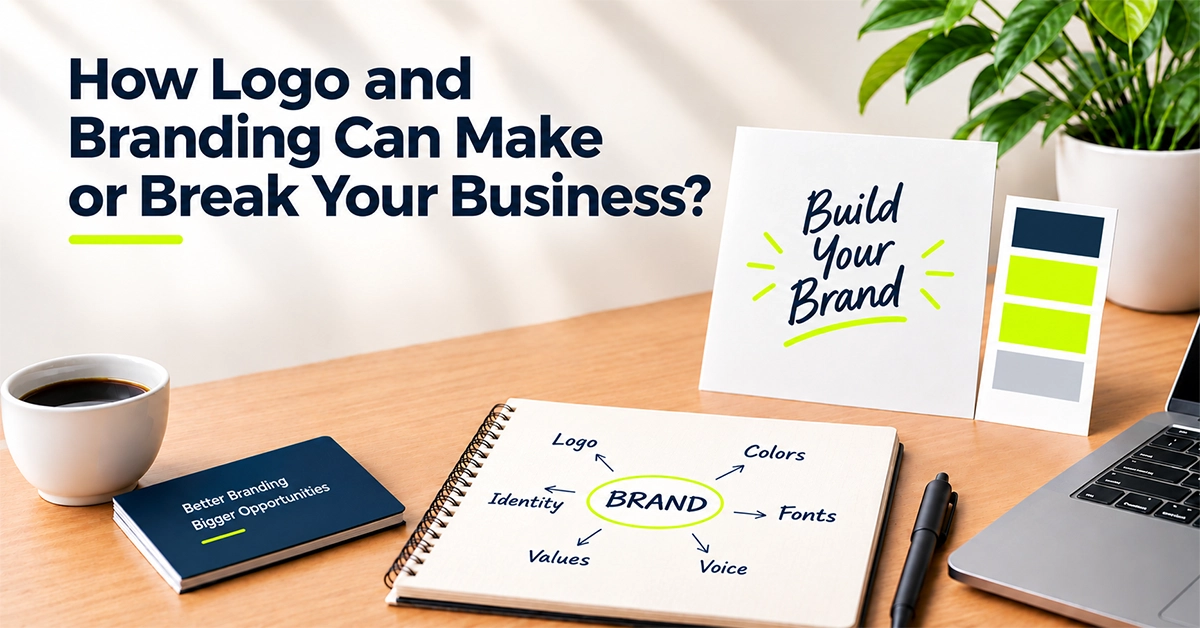
Colours influence how people feel about your business. Your guide should include:
- Primary colors
- Secondary colors
- HEX codes
- RGB values
- CMYK values
These codes ensure your website, brochures, social media graphics, and printed materials all use the exact same shades.
Typography
Fonts matter more than most people realize. A modern tech company usually won't use playful handwritten fonts. A children's brand probably won't use stiff corporate typography. Your guide should specify:
- Headline fonts
- Body fonts
- Backup fonts
- Font sizes
- Spacing recommendations
This creates a clean and recognizable look everywhere.
Brand Voice
This section is often forgotten. And honestly, it's one of the most valuable parts. Your writing style should match your audience. Do you sound professional? Friendly? Funny? Confident? Simple? A brand style guide explains how your business communicates across blogs, emails, advertisements, customer support, and social media. For example: Instead of saying: "We provide exceptional customer satisfaction through innovative solutions." You might write: "We're here to make your work easier." Same idea. Much more human.
Photography Style
Images tell stories. Your guide should explain the type of visuals that represent your business. That includes:
- Bright lifestyle photography
- Product close-ups
- Minimal backgrounds
- Real customer photos
- Illustration styles
When every image follows the same visual identity, your brand becomes much easier to recognise.
Icons and Graphics
Many brands use icons, shapes, or patterns alongside their logos. A style guide explains:
- Icon style
- Line thickness
- Illustration style
- Graphic elements
- Pattern usage
These small details create a polished business brand identity guide.
Why Every Business Needs a Brand Style Guide

People often get attracted to a brand that uses consistent colours, typography, and visuals. But this won’t be possible without an effective brand style guide. Every business needs a clear yet impactful brand style guide because it helps enhance customer engagement and sets you apart from competitors. Moreover, it can:
- Saves Time
- Develops a Professional Look
- Builds Brand Recognition
- Improves Customer Trust
Here is a comparison table to show how a business looks with or without a business brand identity guideline:
| Without a Brand Style Guide | With a Brand Style Guide |
|---|---|
| Different colours used across platforms | Consistent brand colors everywhere |
| Fonts change from one design to another | Same typography across all materials |
| Mixed messaging and tone | Clear, recognisable brand voice |
| Marketing takes longer to create | Faster and more efficient content creation |
| Brand looks inconsistent | Professional and trustworthy appearance |
Why Is A Brand Style Guide Important For Consistency?
When it comes to brand consistency, a brand style guide plays an important role. According to the CI Hub, brand consistency across all social channels increases brands' revenue up to 23%. An effective brand identity guide helps your brand build trust and recognition among customers. Also, it saves time and protects brand equity by defining clear marketing instructions. A brand style guide provides a clear roadmap for consistency through defining logo colours, fonts, and visuals. With clear brand identity guidelines, you can showcase your core values, principles, and branding position. Here is why consistency matters for your brand:
- Builds Recognition
- Improves Professionalism
- Saves Time
- Protects Brand Equity
How To Create a Brand Style Guide For a Business?
Now that you know what a brand style guide is, the next step is to create a polished brand guide so everything is easy to follow for branding. This isn’t something that you will do in a few minutes. But if it is done properly, the payoff is big. When you’re creating a brand guide for your business, start by writing your brand identity. Mention your core values and target audience. Next, set logo usage rules and define how it will be used across different platforms. After defining the logo usage guidelines, the next step is to add a brand colour palette. Organize your colors into primary and secondary sections. Don’t forget to add file formats. Lastly, make a strategy for visuals, fonts, typography, and image style. By following this process, you’ll be able to make a polished brand style guide for your business. Looks like a lot of work, right? You can always partner up with The Design Log for a brand style guide service. It will help you with proper guidelines to make your brand look professional to your audience.
Final Takeaway!
A brand style guide with brand identity guidelines is crucial to develop a consistent and professional image so your customers instantly recognize it. These guidelines ensure that your brand's colours, typography, and visuals should convey the same story. This helps to increase user engagement and trust. Whether you're running a startup or an established business, having a proper brand style guide will benefit your business in the future. This will allow you to make better choices, maintain consistency in marketing, and give direction to everyone using your brand. To get a polished business brand identity guide, don’t hesitate to contact The Design Log. It will help you with proper guidelines to make your brand professional for your customers.